pensions continue as employee benefits during notice period
Do pensions continue as employee benefits during notice period is a key concern for employees who are transitioning out of a job, whether due to resignation or termination. Understanding Employee benefits during notice period is crucial because it helps workers plan their finances and ensures they receive all entitlements owed by the employer. The notice period serves as a bridge between active employment and separation, during which certain benefits, including pensions, may continue to accrue or be maintained depending on company policies and legal requirements.
Employee benefits during notice period generally include salary continuation, accrued leave, health coverage, and retirement contributions. Pensions are an essential part of retirement planning, and employees often want to know whether contributions to their pension plan will persist during this transitional phase. In many cases, employers continue making both employer and employee contributions to defined contribution or defined benefit pension plans for the duration of the notice period. This ensures that employees’ retirement savings are not disrupted while they are still formally employed.
The continuation of pensions as employee benefits during notice period can depend on several factors, including the type of pension plan, employment contract, and local labor laws. For defined contribution plans, contributions are often directly tied to salary, so as long as the employee is paid during the notice period, pension contributions may continue automatically. In defined benefit plans, the calculation of benefits may include service during the notice period, meaning that employees still accrue additional benefits for that time. Understanding these details helps employees make informed decisions and ensures that their retirement planning remains on track.
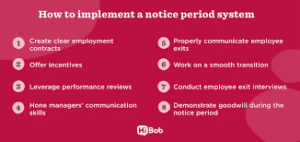
Do pensions continue as employee benefits during notice period?
In some situations, an employer may offer payment in lieu of notice instead of requiring the employee to work through the notice period. Even in such cases, the treatment of pensions can vary. Some organizations continue to make pension contributions based on the monetary equivalent of the notice period pay, while others may have different rules outlined in the employment contract or pension plan documentation. Employees should carefully review these provisions to confirm how their pension benefits are handled during the notice period.
Pensions are not the only benefit that may continue during this period; other employee benefits during notice period often include accrued vacation payouts, health coverage, and insurance benefits. Maintaining pensions alongside these benefits reinforces the overall objective of the notice period: to provide a fair transition and ensure employees are not left financially vulnerable. Employers who manage employee benefits during notice period professionally contribute to positive workplace relations and reduce the risk of legal disputes.
It is also important for employees to communicate with HR or payroll departments to clarify pension contributions and other benefits during the notice period. Clear communication ensures there are no misunderstandings and allows employees to plan for retirement and other financial obligations without interruption. Employers, in turn, must follow company policies and labor laws to ensure pensions and other employee benefits during notice period are handled correctly and transparently.
In conclusion, pensions can continue as part of employee benefits during notice period, depending on the type of pension plan, employment agreement, and applicable regulations. Continuation of pension contributions ensures financial security for employees and helps maintain their retirement planning. Clear policies, open communication, and adherence to legal requirements make the notice period a structured and fair transition for both employees and employers.